
The average cost of sewer line repair is hard to pin to one number because two houses with the same symptom can need very different work. Price follows the length of the pipe, how deep it sits, what is on top of it, and which repair method fits.
This guide gives Lafayette homeowners the factors in plain language, a table comparing repair methods, and a way to get a clear price before work starts. We do not quote figures here because a sewer price without a camera look is a guess.
If sewage is backing up into your house right now, stop using water, keep people away from the wet area, and call. The rest of this guide can wait. Lateral repair follows the California Plumbing Code, which is based on the Uniform Plumbing Code (UPC) and Central San permit standards, and both shape the scope of the work.
Why there is no single average
An average blends spot repairs, full replacements, lining jobs and clearings across different cities and soils. That average tells you little about the pipe in your yard.
A short cracked section near the cleanout is a different job from a long run of root-filled clay pipe that passes under a driveway. Both are called sewer line repair, but the labor, equipment and permits differ.
The honest path is to find out what is wrong first, then price the fix. That begins with a camera.
The factors that set your price
Expect a plumber to ask about each of these before giving a clear price.
Length of the repair
A short spot repair is smaller work than replacing the whole run to the main.
Depth of the pipe
Deeper lines mean more digging, shoring and time in the trench.
Access
Tight side yards and fences may force hand digging or smaller equipment.
Surface above the pipe
Concrete, pavers, landscaping, and driveways all add removal and restoration work.
Camera findings
Roots, a belly, an offset joint, or collapsed pipe each point to a different fix.
Permits and inspection
Lateral work usually needs permits, and work in the street adds more.
Repair methods compared by cost factors
Each method fits certain problems. Cost follows the work the method requires, and the pipe is only part of it.
| Method | Digging needed | Surface restoration | Best fit |
|---|---|---|---|
| Cleaning (cable or jet) | None | None | Roots, grease, soft blockages. |
| Spot repair | Small trench | Limited | One cracked or offset section. |
| Pipe lining | Small access pits. | Low | Cracks and root entry in a sound pipe. |
| Pipe bursting | Entry and exit pits. | Moderate | Full run that has failed. |
| Open-trench replacement | Full length | High | Collapsed or badly bellied pipe. |
Lining and bursting save digging but need a pipe that can accept them. Camera findings decide which methods are on the table.
What the camera tells you
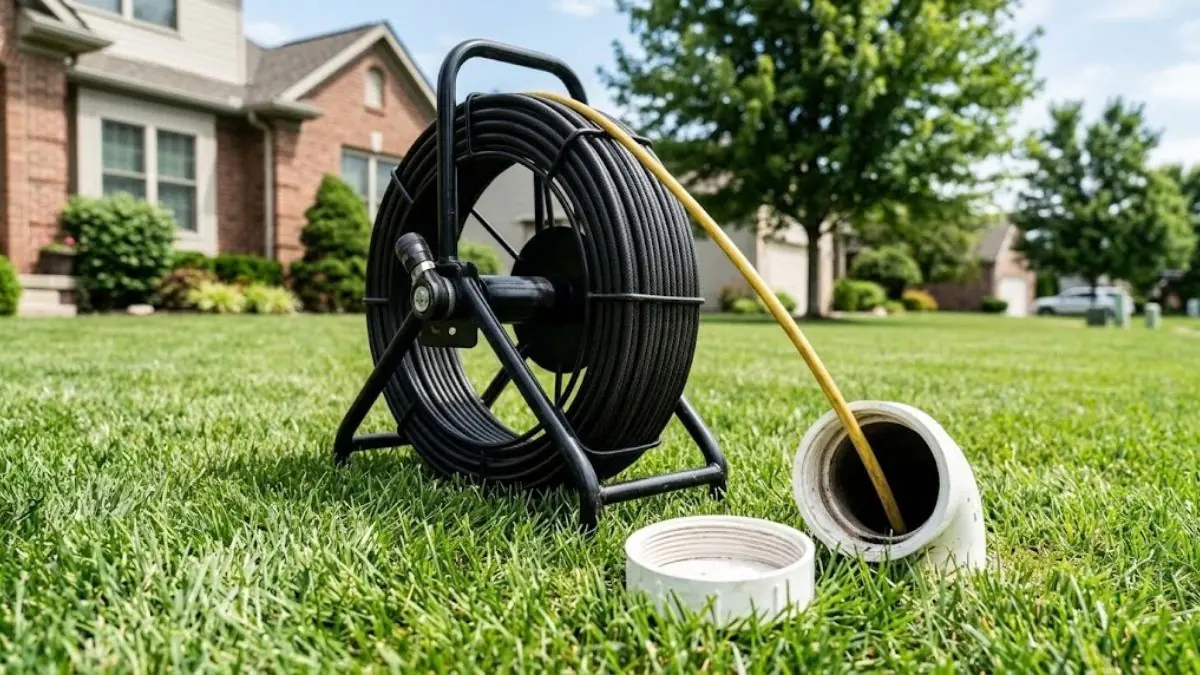
A push camera or crawler camera runs through the lateral and records what it sees. It shows roots, cracks, sags where water sits, joints that have shifted, and the point of collapse if there is one.
Paired with a locator, it also marks the depth and position of the problem on the surface. That is what lets a plumber say which section needs work and which is fine. Our sewer inspection work is built around that step.
Ask for the video or a clear description of what was found. A repair price without camera findings is a guess.
We run this same process for homes in Orinda and Moraga, where Central San also serves the sewer, so the questions below apply there too. Hillside lots and tight side yards are common reasons access changes the work, though we price each lot only after we see the line.
How to get a clear price before work starts
You can protect yourself with a few simple steps.
- Describe your symptoms and where the cleanout is. Note if more than one fixture is affected.
- Ask for a camera inspection first so the price is based on what is in the pipe.
- Ask what method is proposed, how much of the line it covers, and what it leaves untouched.
- Ask who pulls the permits, what inspections are required, and whether restoration is included.
- Get the scope in writing, then compare the scope line by line, and the bottom line only after that, if you collect more than one quote.
Restoration and the extras people forget
Dig and replace jobs involve more than the pipe. Ask whether the price covers these:
- Breaking and replacing concrete, pavers or asphalt over the trench.
- Moving or protecting landscaping, irrigation lines and fences.
- Backfill, compaction and surface repair after the pipe is in.
- A final camera run to confirm the new pipe is clear and sloped.
- Cleanout installation if your line has none.
Many homeowner policies cover sudden water damage but not slow leaks or the failed pipe itself, so read your policy and ask your insurer.
When to call: sewer repair or a clearing
Not every backup needs a repair. Often a clearing works.
- First backup in years with no pattern: a cleaning with a camera follow-up is a sensible start.
- Repeated backups every few months: the pipe likely has a defect that cleaning cannot fix.
- Sunken lawn patches or sewer smell outdoors: ask for a camera look right away.
- Cleaning is sewer line cleaning, and repair follows only if the camera shows damage.
Lafayette note: permits and who owns the pipe
In Lafayette, the property owner owns the whole sewer lateral from the house to the Central San main, including the part under the sidewalk or street. That makes the repair, and its price, the owner's responsibility, so ask early who is pulling permits and what each one covers.
Central San requires a permit for all lateral work except routine cleaning. Digging in the street or public right of way needs a city encroachment permit as well, which adds steps and time to any job that crosses the curb.
Central San's permit counter is at (925) 229-7371, and the Central San home guide explains the basics. Ask the Lafayette building department about anything beyond those permits.
Sewer repair pricing questions in Lafayette
There is no reliable single average because length, depth, access, surface material and repair method all change the work. A camera inspection and a written scope give you a price that fits your pipe.
Many homeowner policies cover sudden water damage but not slow leaks or the failed pipe itself. Read your policy, and ask your insurer about sewer lateral coverage.
The property owner owns the lateral from the house to the Central San main, including the section under the street or sidewalk, so repairs are the owner's responsibility.
Central San requires a permit for lateral work except routine cleaning, and work in the street needs a city encroachment permit. Call the Central San permit counter if you are unsure.
Not always. It saves digging and restoration, but the pipe must be suitable. The camera findings decide whether lining or bursting is possible.
Yes. After a camera inspection we explain the problem, the method and the scope, and give a clear price before work starts. Call to arrange a visit.
Still unsure what you are dealing with? Call the 24/7 line and describe it to a dispatcher.
Call (855) 575-2890